Your Abc model of flower development images are ready in this website. Abc model of flower development are a topic that is being searched for and liked by netizens today. You can Download the Abc model of flower development files here. Find and Download all free images.
If you’re searching for abc model of flower development pictures information linked to the abc model of flower development keyword, you have pay a visit to the ideal site. Our site always gives you hints for downloading the highest quality video and picture content, please kindly surf and locate more informative video articles and graphics that fit your interests.
Abc Model Of Flower Development. The ABC model of flower development explains how three classes of homeotic genes confer identity to the four types of floral organs. In the early 1990s genetic studies on Arabidopsis thaliana and Antirrhinum majus led to the isolation and characterization of floral organ-identity genes also called floral homeotic genes and the establishment of the seminal ABC model for flower development. About 10 years ago the ABC model for the genetic control of flower development was proposed. In two specific whorls of the floral meristem each class of organ identity genes is switched on.
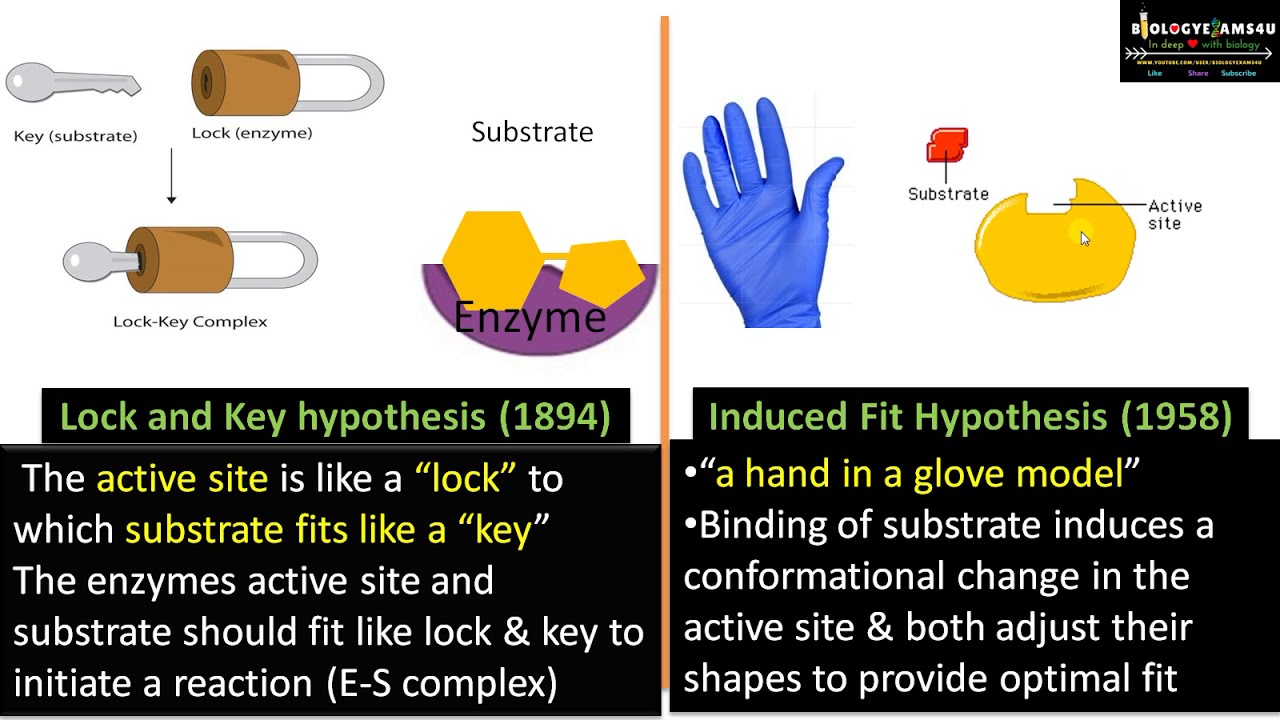
 Difference Between Lock And Key Hypothesis And Induced Fit Hypothesis In 2021 Biology Notes Lock And Key Hypothesis From pinterest.com
ABC Model of Flower Development. This paper describes the 200-year history behind this model from the late 18th ce. The ABC model of flower development is a scientific model of the process by which flowering plants produce a pattern of gene expression in meristems that leads to the appearance of an organ oriented towards sexual reproduction a flower. The ABC model was first explicitly articulated in 1991 in a seminal paper by Enrico Coen and Elliot Meyerowitz. A detailed explanation of ABC model of flower development explains the genetics behind the formation of different whorls in a flowerABC model predicts that. This model was initially based on the analysis of mutant flowers but has subsequently been confirmed by molecular analysis.
The four whorls are sepal petal stamens and carpel.
This model proposed that different organ-identity genes act alone and in various combinations to specify. About 10 years ago the ABC model for the genetic control of flower development was proposed. Firstly the plant must pass from sexual. The ABC model of flower development explains how three classes of homeotic genes confer identity to the four types of floral organs. This model proposed that different organ-identity genes act alone and in various combinations to specify. This model is built on the observation of mutants with defects in floral organ development.
 Source: pinterest.com
In this we used a series of. ABC model of floral development explains the genetics behind the formation of different whorls in a flower. The ABC model of floral development Summary. ABC model of flower development. In Arabidopsis thaliana APETALA2 AP2 and AGAMOUS AG represent A- and C-class genes that act in an antagonistic fashion to specify perianth and reproductive organs respectively.
 Source: pinterest.com
The ABC model of flower development is a scientific model of the process by which flowering plants produce a pattern of gene expression in meristems that lea. Flowers are organized into concentric whorls of sepals petals stamens and carpels with each of these floral. ABC model of flower development is a scientific model of the process by which flowering plants produce a pattern of gene expression in meristems that leads to the appearance of an organ oriented towards sexual reproduction a flower. The ABC model was first explicitly articulated in 1991 in a seminal paper by Enrico. The ABC model summarizes how the presence or absence of different classes of transcription factors in the different parts of the flower regulates the development of floral.
 Source: pinterest.com
Flowers are organized into concentric whorls of sepals petals stamens and carpels with each of these floral. The ABC model was first explicitly articulated in 1991 in a seminal paper by Enrico Coen and Elliot Meyerowitz. Although homeotic mutations affecting floral organ identity had been known for centuries it was the systematic analyses of these mutations and of the phenotypes produced by double and triple mutants that proved to be critical in developing the ABC model. There are three physiological developments that must occur in order for this to take place. The four whorls are sepal petal stamens and carpel.
 Source: pinterest.com
World Heritage Encyclopedia the aggregation of the largest online encyclopedias available and the most definitive collection ever assembled. The four whorls are sepal petal stamens and carpel. ABC model of flower development guided by three groups of homeotic genes. A diagram illustrating the ABC model in Arabidops. This model was initially based on the analysis of mutant flowers but has subsequently been confirmed by molecular analysis.
 Source: pinterest.com
World Heritage Encyclopedia the aggregation of the largest online encyclopedias available and the most definitive collection ever assembled. Firstly the plant must pass from sexual. In 1991 we published a paper in Development that proposed the ABC model of flower development an early contribution to the genetic analysis of development in plants. ABC model of floral development explains the genetics behind the formation of different whorls in a flower. For the model of attitudes used in psychology see Attitude psychology.
Source: pinterest.com
The ABC model was first explicitly articulated in 1991 in a seminal paper by Enrico. A diagram illustrating the ABC model in Arabidops. Class A genes blue affect sepals and petals class B genes yellow affect petals and stamens class C genes red affect stamens and carpels. ABC model of flower development The four types of flower parts namely carpels. Although homeotic mutations affecting floral organ identity had been known for centuries it was the systematic analyses of these mutations and of the phenotypes produced by double and triple mutants that proved to be critical in developing the ABC model.
 Source: pinterest.com
ABC model of flower development is a scientific model of the process by which flowering plants produce a pattern of gene expression in meristems that leads to the appearance of an organ oriented towards sexual reproduction a flower. The ABC model was first explicitly articulated in 1991 in a seminal paper by Enrico. A detailed explanation of ABC model of flower development explains the genetics behind the formation of different whorls in a flowerABC model predicts that. In this we used a series of. What is the ABC model.
 Source: pinterest.com
This model was initially based on the analysis of mutant flowers but has subsequently been confirmed by molecular analysis. A diagram illustrating the ABC model in Arabidops. In Arabidopsis thaliana APETALA2 AP2 and AGAMOUS AG represent A- and C-class genes that act in an antagonistic fashion to specify perianth and reproductive organs respectively. The ABC model of flower development in angiosperms was formulated by E. ABC model of flower development guided by three groups of homeotic genes.
 Source: pinterest.com
ABC Model of Flower Development. For the model of attitudes used in psychology see Attitude psychology. Flowers are organized into concentric whorls of sepals petals stamens and carpels with each of these floral. The ABC model of flower development in angiosperms was formulated by E. ABC model of flower development ABC model redirects here.
 Source: pinterest.com
ABC model of flower development The four types of flower parts namely carpels. In 1991 we published a paper in Development that proposed the ABC model of flower development an early contribution to the genetic analysis of development in plants. This model proposed that different organ-identity genes act alone and in various combinations to specify. The ABCDE model for flower development proposes that floral organ identity is defined by five classes of homeotic genes named A B C D and E. Flowers are organized into concentric whorls of sepals petals stamens and carpels with each of these floral.
 Source: in.pinterest.com
Orissa University of Agriculture Technology. ABC model of flower development is a scientific model of the process by which flowering plants produce a pattern of gene expression in meristems that leads to the appearance of an organ oriented towards sexual reproduction a flower. The ABC model of flower development is a scientific model of the process by which flowering plants produce a pattern of gene expression in meristems that leads to the appearance of an organ oriented towards sexual reproduction a flower. The ABC model of flower development explains how three classes of homeotic genes confer identity to the four types of floral organs. This paper describes the 200-year history behind this model from the late 18th ce.
 Source: pinterest.com
In 1991 we published a paper in Development that proposed the ABC model of flower development an early contribution to the genetic analysis of development in plants. About 10 years ago the ABC model for the genetic control of flower development was proposed. This model was initially based on the analysis of mutant flowers but has subsequently been confirmed by molecular analysis. ABC model of flower development guided by three groups of homeotic genes. The ABC model of flower development explains how three classes of homeotic genes confer identity to the four types of floral organs.
 Source: pinterest.com
The ABC model of floral development Summary. Flower development is the process by which. A detailed explanation of ABC model of flower development explains the genetics behind the formation of different whorls in a flowerABC model predicts that. ABC Model of Flower Development. The ABC model of floral development Summary.
 Source: pinterest.com
In this we used a series of. This model was initially based on the analysis of mutant flowers but has subsequently been confirmed by molecular analysis. In this we used a series of. ABC model of flower development guided by three groups of homeotic genes. World Heritage Encyclopedia the aggregation of the largest online encyclopedias available and the most definitive collection ever assembled.
 Source: pinterest.com
ABC model of flower development is a scientific model of the process by which flowering plants produce a pattern of gene expression in meristems that leads to the appearance of an organ oriented towards sexual reproduction a flower. The four whorls are sepal petal stamens and carpel. ABC model of flower development The four types of flower parts namely carpels. The ABC model of flower development explains how three classes of homeotic genes confer identity to the four types of floral organs. This model proposed that different organ-identity genes act alone and in various combinations to specify.
 Source: pinterest.com
The ABC model of flower development is a scientific model of the process by which flowering plants produce a pattern of gene expression in meristems that lea. ABC Model of Flower Development. The ABC model of flower development is a scientific model of the process by which flowering plants produce a pattern of gene expression in meristems that lea. This model proposed that different organ-identity genes act alone and in various combinations to specify. The ABC model of flower development explains how three classes of homeotic genes confer identity to the four types of floral organs.
 Source: pinterest.com
In Arabidopsis thaliana APETALA2 AP2 and AGAMOUS AG represent A- and C-class genes that act in an antagonistic fashion to specify perianth and reproductive organs respectively. In this we used a series of. This model was initially based on the analysis of mutant flowers but has subsequently been confirmed by molecular analysis. Class A genes affect sepals and petals class B genes affect petals and stamens class C genes affect stamens and carpels. For the model of attitudes used in psychology see Attitude psychology.
 Source: pinterest.com
ABC model of floral development explains the genetics behind the formation of different whorls in a flower. The ABC model of flower development is a scientific model of the process by which flowering plants produce a pattern of gene expression in meristems that leads to the appearance of an organ oriented towards sexual reproduction a flowerThere are three physiological developments that must. This paper describes the 200-year history behind this model from the late 18th century when Goethe arrived at his idea of plant. ABC model of flower development guided by three groups of homeotic genes. This model was initially based on the analysis of mutant flowers but has subsequently been confirmed by molecular analysis.
This site is an open community for users to do sharing their favorite wallpapers on the internet, all images or pictures in this website are for personal wallpaper use only, it is stricly prohibited to use this wallpaper for commercial purposes, if you are the author and find this image is shared without your permission, please kindly raise a DMCA report to Us.
If you find this site serviceableness, please support us by sharing this posts to your favorite social media accounts like Facebook, Instagram and so on or you can also save this blog page with the title abc model of flower development by using Ctrl + D for devices a laptop with a Windows operating system or Command + D for laptops with an Apple operating system. If you use a smartphone, you can also use the drawer menu of the browser you are using. Whether it’s a Windows, Mac, iOS or Android operating system, you will still be able to bookmark this website.


