Your How are flowers pollinated images are available in this site. How are flowers pollinated are a topic that is being searched for and liked by netizens now. You can Find and Download the How are flowers pollinated files here. Get all royalty-free vectors.
If you’re searching for how are flowers pollinated pictures information linked to the how are flowers pollinated interest, you have come to the ideal site. Our website always gives you suggestions for seeing the maximum quality video and picture content, please kindly search and find more informative video articles and images that match your interests.
How Are Flowers Pollinated. Flowers have male parts called stamens that produce a sticky powder called pollen. Flowers also have a female part called the pistil. Pollen grains are also adapted for insect pollination. They get blown away by the wind get carried from flower to flower by a bee or butterfly and some flowers have.
 Pin On Life Science From pinterest.com
It enters the fruit through a small hole in the top of the fig and contacts the uni-sexual flowers where it lays eggs hatches matures and then leaves the fruit to start its pollination process for the next year. Every spring you can see evidence of wind pollinated flowers. This transfer of pollen from one flower to another is called cross-pollination. When they move on to another flower the pollen is transported with them. Seeds contain the genetic information to produce a new plant. To attract pollinators flowers produce nectar a sugary liquid that is high in energy.
They often look like feathered wisps of threadlike hairs with a small seed attached at one end.
When pollen from a plants stamen is transferred to that same plants stigma it is called self-pollination. When an insect visits the flower to get food some pollen will stick to its body. Seeds contain the genetic information to produce a new plant. Many flowers are pollinated without the aid of animals insect bird or mammal. Moth Pollinators Moths usually pollinate night blooming jasmine. Pollination is an essential part of plant reproduction.
 Source: pl.pinterest.com
Click to see full answer. Most moth species are active at dusk and in the evening. These plants produce enormous numbers of small pollen grains. The female flowers of the vallisneria grow on long stems reaching the surface of the waterThe vallisneria is not seeking the wind or insects to pollinate. Insects are attracted to flowers because of their scent or brightly coloured petals.
 Source: pinterest.com
Hibiscus flowers in the wild are pollinated by insects or birds transferring pollen from the stamen to the stigma pads. This transfer of pollen from one flower to another is called cross-pollination. This is called pollination. Instead the male flowers grow in clusters with short stems that break off and float to the surface of the water. Pollen sticks to the pollinator and is transferred to the female parts of either the same flower or sometimes a different flower.
 Source: pinterest.com
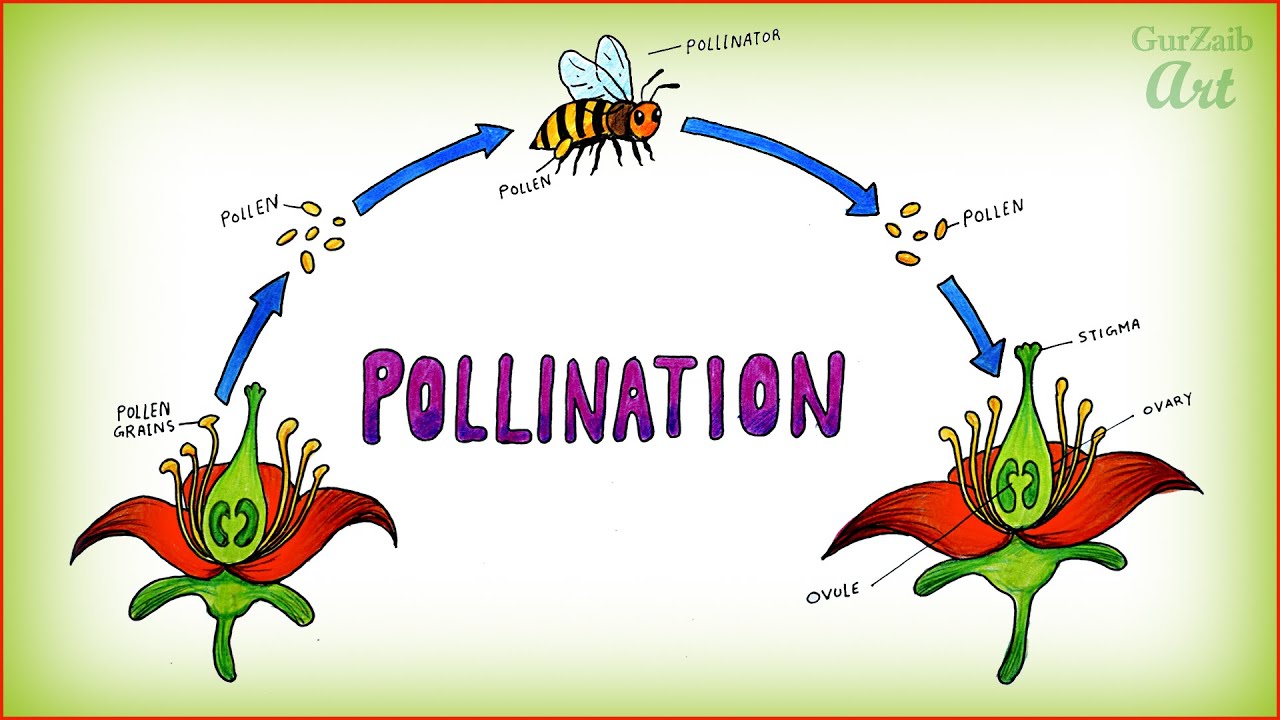
Some flowers are adapted to be pollinated by insects and others are adapted to be pollinated by wind. Wind pollinator flowers may be small no petals and no special colors odors or nectar. The fertilized flower later yields fruit and seeds. For this reason. Pollination process occurs when pollen grains from the male part of one flower anther are transferred to the female part stigma of another flower.
 Source: pinterest.com
Some will find its way into the stigma allowing the plant to reproduce. They get blown away by the wind get carried from flower to flower by a bee or butterfly and some flowers have. The male parts include the pollen carrying portion of the flower highlighted in blue and pollinators must come into contact with this area to collect pollen grains. When pollen from a plants stamen is transferred to that same plants stigma it is called self-pollination. What are 3 ways flowers can be.
 Source: pinterest.com
Theyre usually drifting through the warm spring air. Instead the male flowers grow in clusters with short stems that break off and float to the surface of the water. Flowers also have a female part called the pistil. Many flowers produce a sweet liquid called nectar which insects feed on. How are flowers pollinated by insects.
 Source: pinterest.com
Hibiscus flowers in the wild are pollinated by insects or birds transferring pollen from the stamen to the stigma pads. Insects are attracted to flowers because of their scent or brightly coloured petals. Pollen sticks to the pollinator and is transferred to the female parts of either the same flower or sometimes a different flower. I love hearing the humble bumble buzzing around because I know it means the big beautiful sunflowers I have grown are nourishing the wildlife and in turn they are pollinating my flowers to ensure a bountiful supply of seeds to sow in my garden for the following year. When they move on to another flower the pollen is transported with them.
 Source: pinterest.com
Every spring you can see evidence of wind pollinated flowers. Pollination process occurs when pollen grains from the male part of one flower anther are transferred to the female part stigma of another flower. The insect then flies off to another flower where some of the pollen may be transferred to the stigma. The fertilized flower later yields fruit and seeds. For this reason.
 Source: pinterest.com
The male parts include the pollen carrying portion of the flower highlighted in blue and pollinators must come into contact with this area to collect pollen grains. What are 3 ways flowers can be. However the pollination method is different for the differences that exist between different fig varieties. One of the ways that plants can produce offspring is by making seeds. This process can be carried out either within a flower or between flowers of the same plant or.
 Source: pinterest.com
One of the ways that plants can produce offspring is by making seeds. Moth Pollinators Moths usually pollinate night blooming jasmine. What happens when a flower is pollinated. Pollen from a flowers anthers the male part of the plant rubs or drops onto a pollinator. Some flowers are adapted to be pollinated by insects and others are adapted to be pollinated by wind.
 Source: pinterest.com
Strawberry flower morphology and seed set Strawberry flowers have both male and female parts on each bloom. Need to move from the anther of one flower to the stigma of another flower. Every spring you can see evidence of wind pollinated flowers. Click to see full answer. Many flowers are pollinated without the aid of animals insect bird or mammal.
Source: pinterest.com
Some flowers are adapted to be pollinated by insects and others are adapted to be pollinated by wind. This process can be carried out either within a flower or between flowers of the same plant or. Pollen sticks to the pollinator and is transferred to the female parts of either the same flower or sometimes a different flower. When pollen from a plants stamen is transferred to that same plants stigma it is called self-pollination. Bees and butterflies will land on the flower to feed and while doing so pollen becomes attached to their body.
 Source: pinterest.com
What happens when a flower is pollinated. Moth Pollinators Moths usually pollinate night blooming jasmine. Every spring you can see evidence of wind pollinated flowers. Wind pollinator flowers may be small no petals and no special colors odors or nectar. The pollinator then take this pollen to another flower where the pollen sticks to the stigma the female part.
 Source: pinterest.com
The pollinator then take this pollen to another flower where the pollen sticks to the stigma the female part. Some are pollinated as the currents of wind or water act as vectors. Once pollination occurs the fertilized flowers produce seeds which enable the associated plant to reproduce andor form fruit. When pollen from a plants stamen is transferred to that same plants stigma it is called self-pollination. They get blown away by the wind get carried from flower to flower by a bee or butterfly and some flowers have.
 Source: pinterest.com
Every spring you can see evidence of wind pollinated flowers. Instead the male flowers grow in clusters with short stems that break off and float to the surface of the water. Many flowers are pollinated without the aid of animals insect bird or mammal. And this is the main goal of the sunflower to produce seeds. When pollen from a plants stamen is transferred to that same plants stigma it is called self-pollination.
 Source: pinterest.com
Instead the male flowers grow in clusters with short stems that break off and float to the surface of the water. The male parts include the pollen carrying portion of the flower highlighted in blue and pollinators must come into contact with this area to collect pollen grains. When an insect visits the flower to get food some pollen will stick to its body. Pollination process occurs when pollen grains from the male part of one flower anther are transferred to the female part stigma of another flower. When pollen from a plants stamen is transferred to that same plants stigma it is called self-pollination.
 Source: pinterest.com
Theyre usually drifting through the warm spring air. Pollen sticks to the pollinator and is transferred to the female parts of either the same flower or sometimes a different flower. Pollination can be defined as the natural process of transferring pollen grains from the anther male reproductive part to the stigma female reproductive part of a flower. These seeds are the end product of wind pollination which occurs in many of the hardwood trees of temperate North America such as the willow cottonwood popular and alder. One of the ways that plants can produce offspring is by making seeds.
 Source: pinterest.com
Pollination can be defined as the natural process of transferring pollen grains from the anther male reproductive part to the stigma female reproductive part of a flower. Click to see full answer. Bees and butterflies will land on the flower to feed and while doing so pollen becomes attached to their body. When pollen from a plants stamen is transferred to that same plants stigma it is called self-pollination. Some are pollinated as the currents of wind or water act as vectors.
 Source: pinterest.com
Moth Pollinators Moths usually pollinate night blooming jasmine. However the pollination method is different for the differences that exist between different fig varieties. They often look like feathered wisps of threadlike hairs with a small seed attached at one end. It enters the fruit through a small hole in the top of the fig and contacts the uni-sexual flowers where it lays eggs hatches matures and then leaves the fruit to start its pollination process for the next year. When pollen from a plants stamen is transferred to that same plants stigma it is called self-pollination.
This site is an open community for users to do submittion their favorite wallpapers on the internet, all images or pictures in this website are for personal wallpaper use only, it is stricly prohibited to use this wallpaper for commercial purposes, if you are the author and find this image is shared without your permission, please kindly raise a DMCA report to Us.
If you find this site helpful, please support us by sharing this posts to your preference social media accounts like Facebook, Instagram and so on or you can also bookmark this blog page with the title how are flowers pollinated by using Ctrl + D for devices a laptop with a Windows operating system or Command + D for laptops with an Apple operating system. If you use a smartphone, you can also use the drawer menu of the browser you are using. Whether it’s a Windows, Mac, iOS or Android operating system, you will still be able to bookmark this website.


